Inspired Craftsmanship
‘Look to the Earth:’ A Guide to Biophilic Design
How designers Kaitlyn Wolfe and Tommy Zung engage the natural world in their work
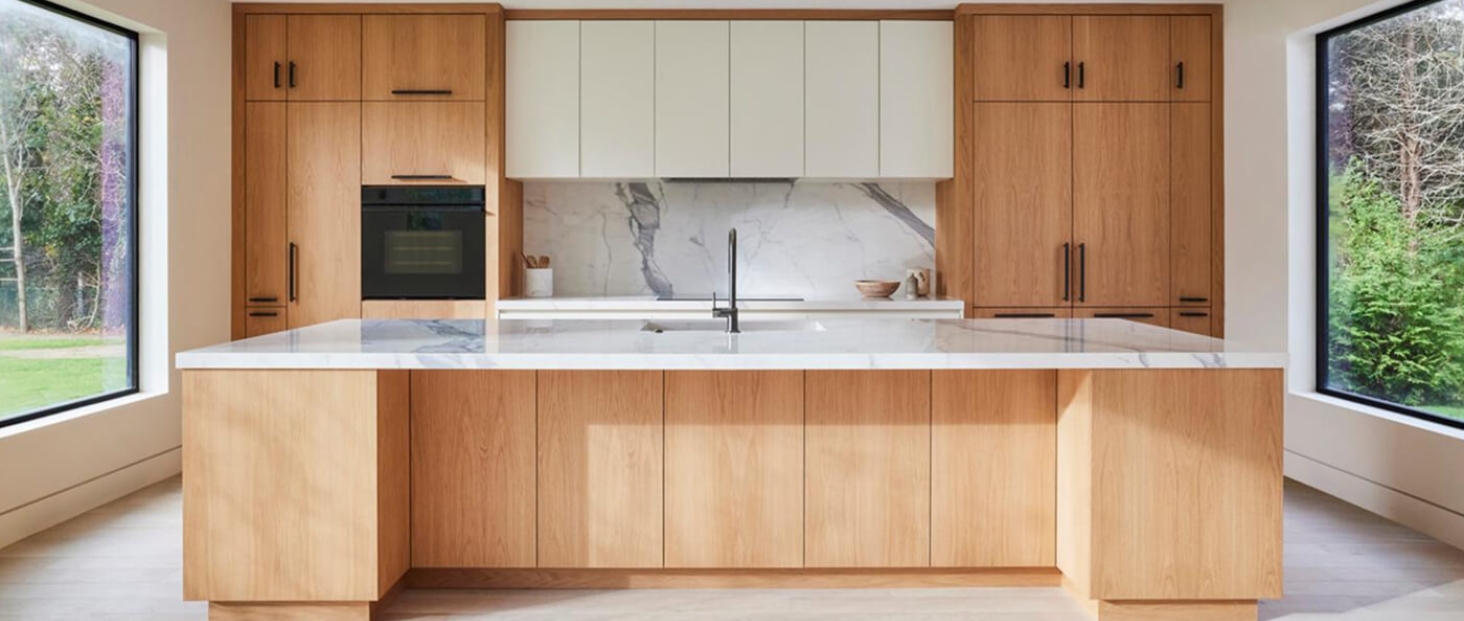
“Biophilic design is about nurturing our innate bond with nature—using materials, textures, and proportions that mirror the natural world,” says Kaitlyn Wolfe, founder and principal designer for Kaitlyn Wolfe. “It reminds us to pause, breathe, and feel connected.”
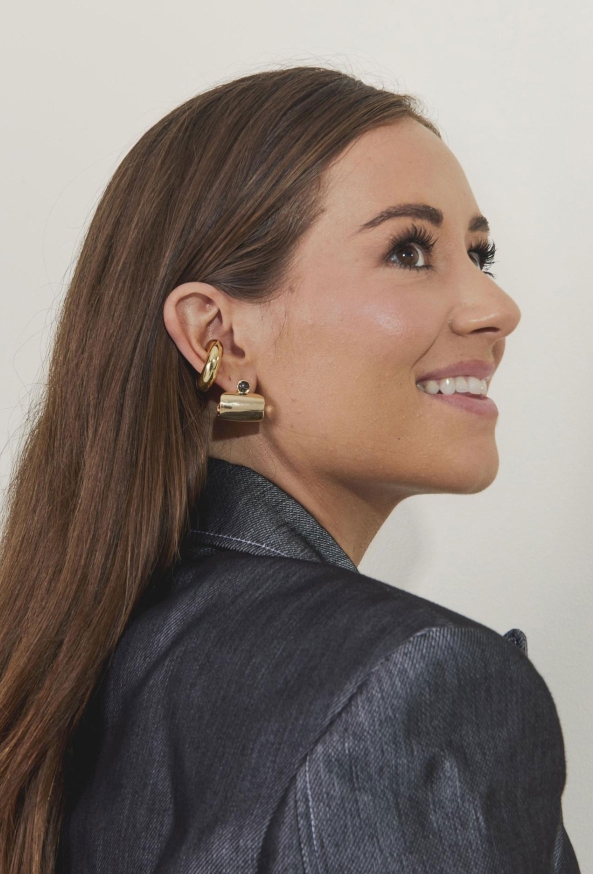
interior Designer: Kaitlyn Wolfe / Photographer: Matthew Keough
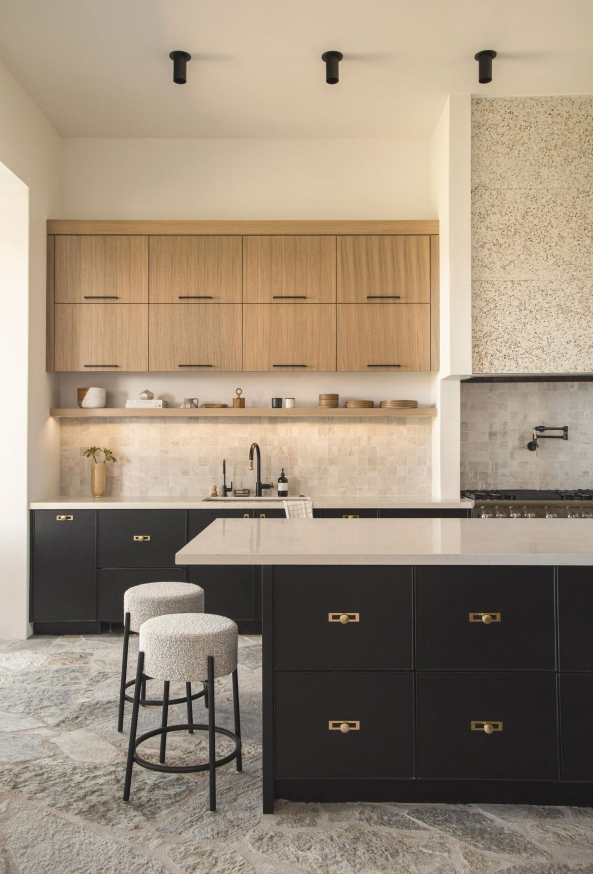
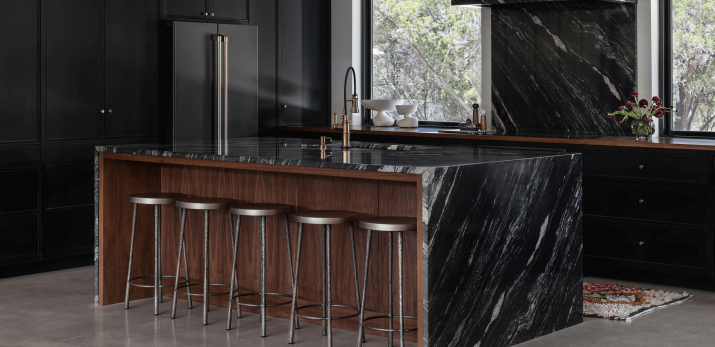
Interior Designer: Kaitlyn Wolfe / Fountain Hills, Az, 2020 / Photographer: Kevin Brost / Featuring the Litze® kitchen collection in matte black / Brilliance® Luxe Gold®
For Wolfe, biophilic design is a central tenet—and it goes beyond oversized houseplants and giant windows. She wants to give each of her clients that same sense of calm and connection to the earth.
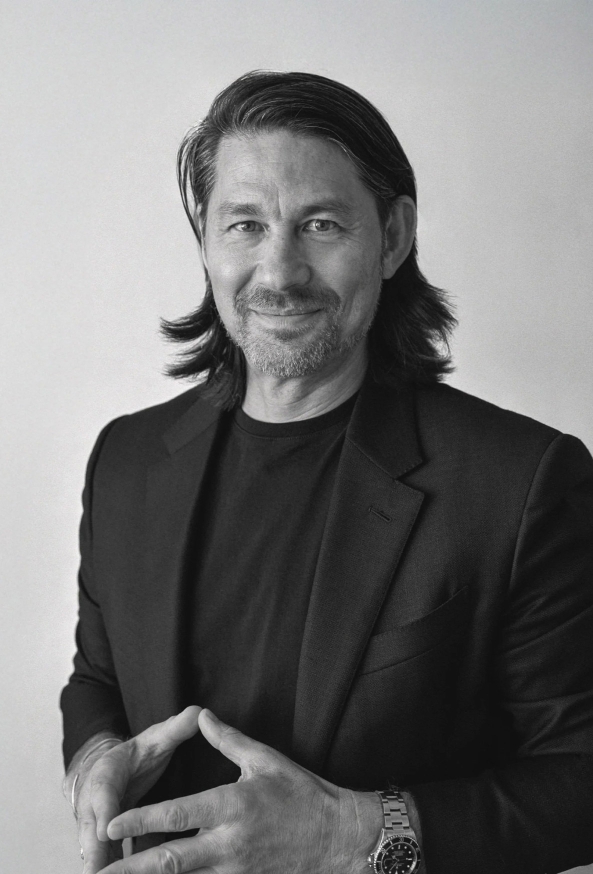
interior Designer: Tommy Zung / Photographer: Jonathan Hökklo
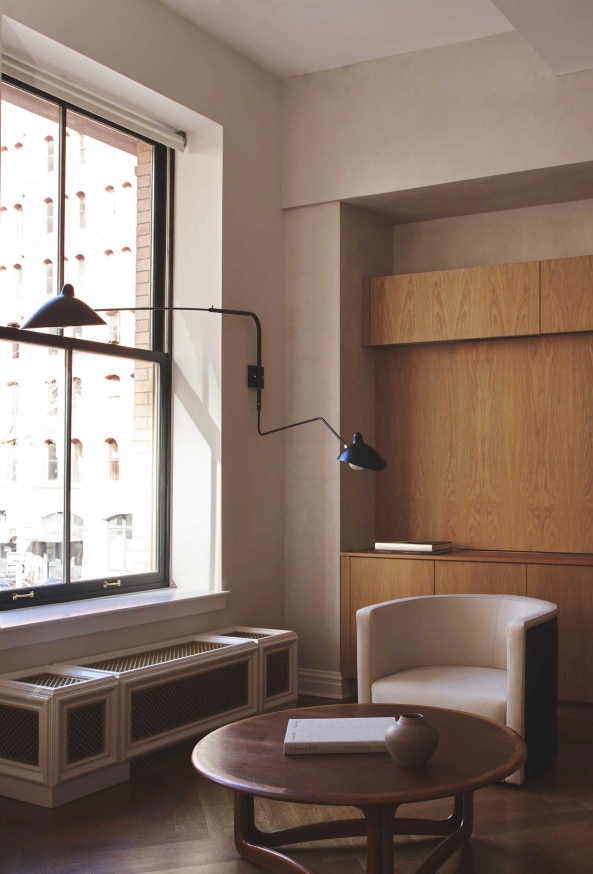
Interior Designer: Studio Zung / 2019 / Photographer: Adrian Gaut / stylist: Colin King
Tommy Zung, founder and principal of Studio Zung, echoes that goal. “It’s about creating a genuine sensory connection to the natural world: designing spaces that engage light, shadow, texture, sound, and even scent in ways that echo nature.”
“Biophilic design is about nurturing our innate bond with nature.”
Both Wolfe and Zung incorporate natural elements into their work, following the guidance of the great Frank Lloyd Wright: “Study nature, love nature, stay close to nature.”

Experience nature, up close and personal
For both Wolfe and Zung, a tendency toward biophilic design flows from their deep-rooted love of the outdoors.
Wolfe and her husband recently finished visiting all 63 U.S. national parks. Naturally, she references them in her work with palettes, materials, and textures that feel as timeless as nature itself.
“When I’m out in nature, I’m struck by how everything feels balanced—rugged cliffs next to soft meadows, open skies paired with quiet forests. I carry that same idea into my work by creating spaces that feel grounded but also inviting,” she says.
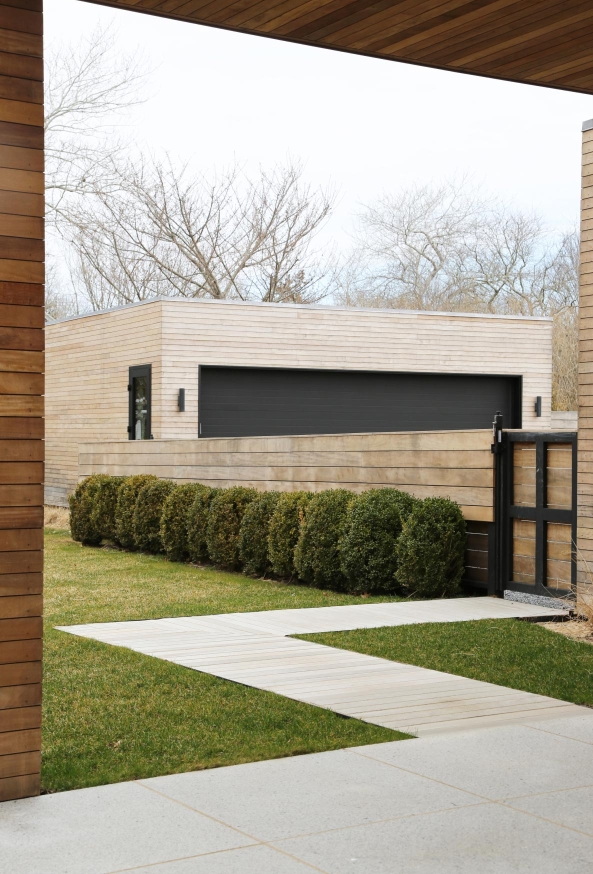
interior Designer: Tommy Zung / photographer: Studio Zung
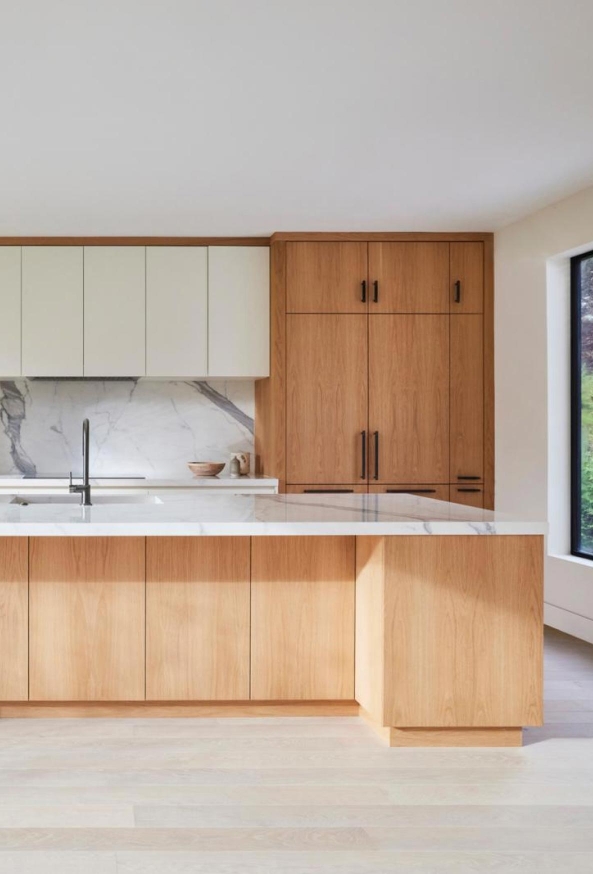
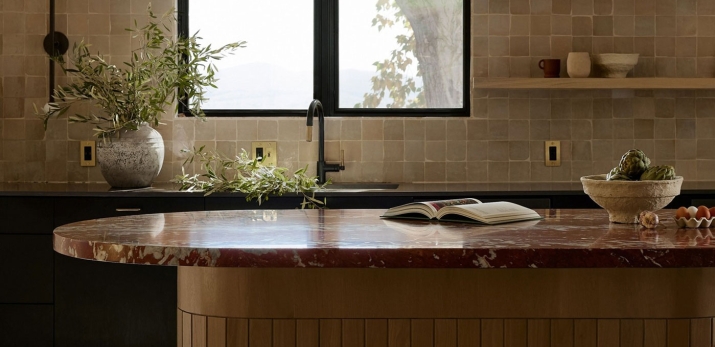
Interior Designer: Studio Zung / Amagansett, ny, 2024 / Photographer: Jonathan Hökklo / Featuring the Odin® Pull-Down kitchen Faucet in brilliance® Luxe Steel®
“I seek to create spaces that work in harmony with natural light, seasonal changes, and the surrounding landscape, rather than imposing upon them.”
Zung’s love of the Earth starts with the sea. A longtime surfer, he’s spent years cultivating an intuitive understanding of how to read and respond to his environment, which translates directly into his work.
“I seek to create spaces that work in harmony with natural light, seasonal changes, and the surrounding landscape, rather than imposing upon them,” he says.

Follow in great footsteps
Wolfe lists Frank Lloyd Wright among the designers who’ve inspired her work, saying his philosophy shows that “when you focus on honest materials, thoughtful details, and a deep respect for the relationship between people and nature, the result never feels dated.”
“When you focus on honest materials, thoughtful details, and a deep respect for the relationship between people and nature, the result never feels dated.”
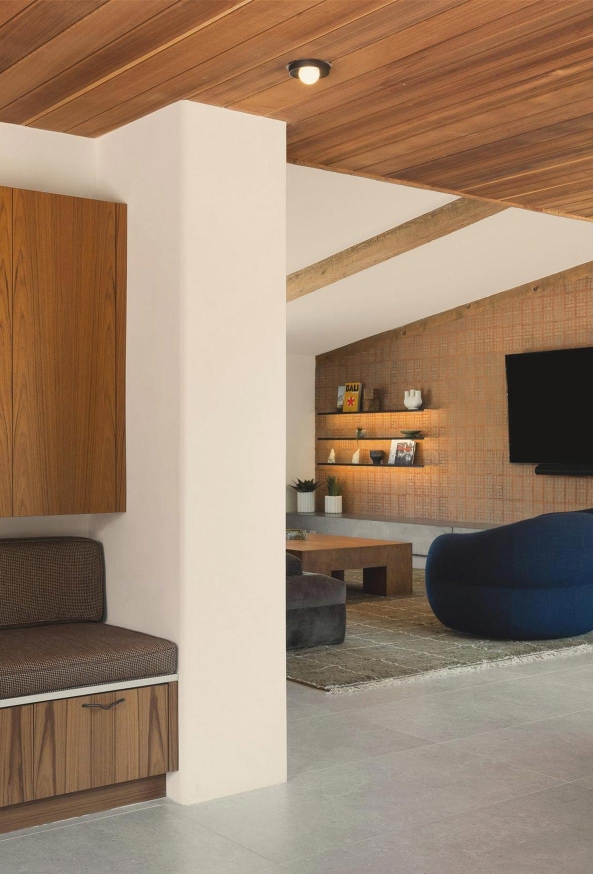
interior Designer: Kaitlyn Wolfe / phoenix, Az, 2024 / Photographer: Kevin Brost
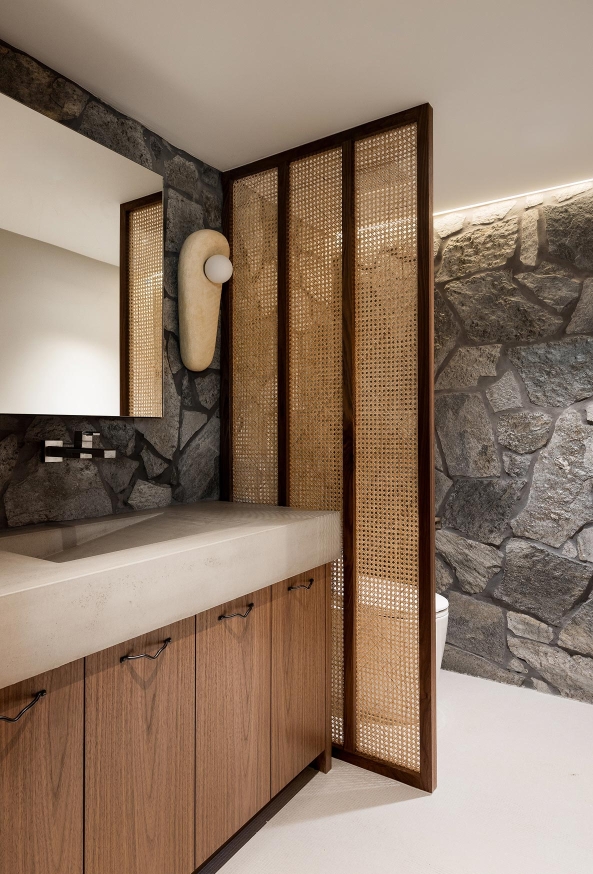
Interior Designer: Kaitlyn Wolfe / phoenix, Az, 2024 / Photographer: Kevin Brost / Featuring the frank lloyd wright® lavatory single-handle wall mount lavatory faucet in brilliance® luxe nickel®
She’s also nodded to Wright in many projects, including her 2024 Prairie House remodel. She incorporated horizontality, earth tones, and intentional connections to the landscape as a tribute to the architect.
Practice Immersion
For Zung, biophilic design is at its best when a designer engages deeply and fully with the land on site. During his Meadowlark Lane project, Zung stayed at the old house and camped under the stars. He watched the sunrise and sunset, listened to the wind, sketched, wrote, and meditated.

interior Designer: Tommy Zung / photographer: Studio Zung
“I envisioned a home that allowed the family to live in harmony with the landscape, moving fluidly between indoors and out,” Zung said. “Every decision was about connection—linking the family to each other, their guests, and the living world around them.”

interior Designer: Tommy Zung / photographer: Jamie Lopez
“Every decision was about connection—linking the family to each other, their guests, and the living world around them.”
That project grew ever more connected to the land when Zung and his clients traveled to Bali in search of sustainably sourced materials, from mother-of-pearl inlay for the door handles to century-old teak that would later be used to form a 25-foot-tall entryway and cantilevered stairs.
Engage with the Environment
Wolfe says she wants the architecture and interiors of her projects to feel like natural extensions of the landscape—not competition. “These landscapes find echoes in the interiors we design,” she says.
“These landscapes find echoes in the interiors we design.”
Zung also considers the environment at every step, taking light patterns, winds, vegetation, and views into account. “A strong relationship between the architecture and the site creates a sense of belonging,” he says. “That makes the design feel inevitable, as though it has always been there.”

Choose Materials with Care
Wolfe seeks honesty in her materiality, whether it’s wood, stone, clay, or steel. “I love layering materials that reflect their origins and allowing them to speak honestly in their natural state.”
“Layering materials with natural light and open views blurs the boundary between interior and exterior.”
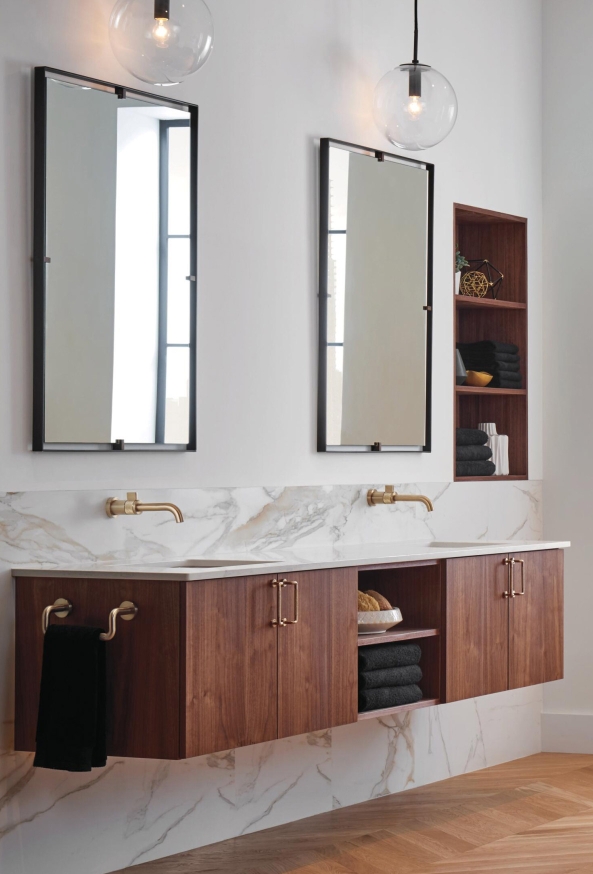
Interior Designer: Studio Zung / Featuring the litze® Bath Collection in Brilliance® Luxe gold®
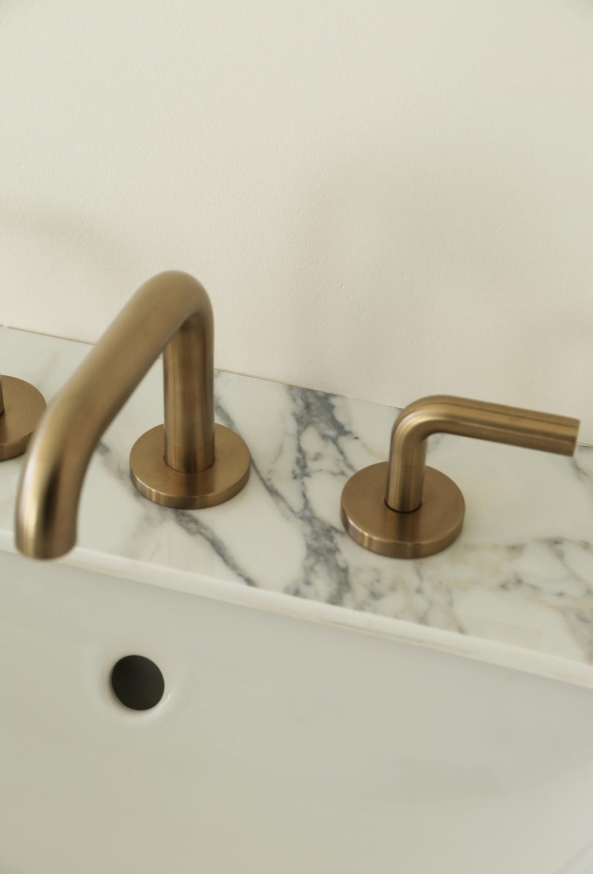
Interior Designer: Studio Zung / Amagansett, ny, 2019 / Photographer: Sarah Hahn / stylist: Colin King / Featuring the litze® widespread lavatory faucet with low spout and notch lever handles in Brilliance® Luxe gold®
Zung, too, considers layering an important aspect of material selection. “I often integrate natural stone, raw wood, and textured plaster to bring an organic sensibility indoors,” he says. “Layering materials with natural light and open views blurs the boundary between interior
and exterior.”
For both designers, longevity is a key factor. Materials that develop patinas add a sense of history and life to the space over time.
Mind the Details
Of course, that same intentionality extends into every last choice and detail. Wolfe says Brizo® collections “function as architectural jewelry—artful, yet functional details that elevate the sensory experience.”
“The integration of technology, sustainability, and sensory experience reflects the full potential of connected design.”
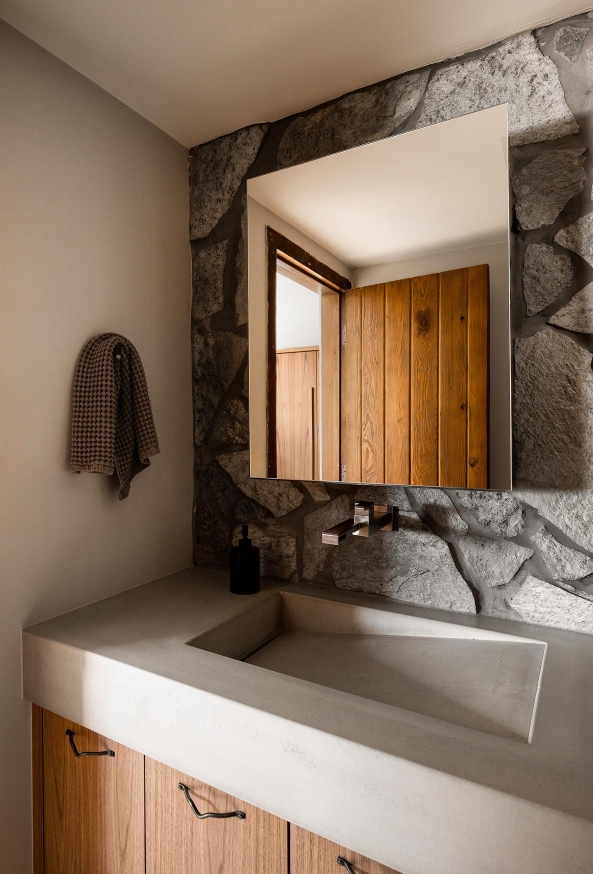
Interior Designer: Kaitlyn Wolfe / phoenix, Az, 2024 / Photographer: Kevin Brost / Featuring the frank lloyd wright® lavatory single-handle wall mount lavatory faucet in brilliance® luxe nickel®
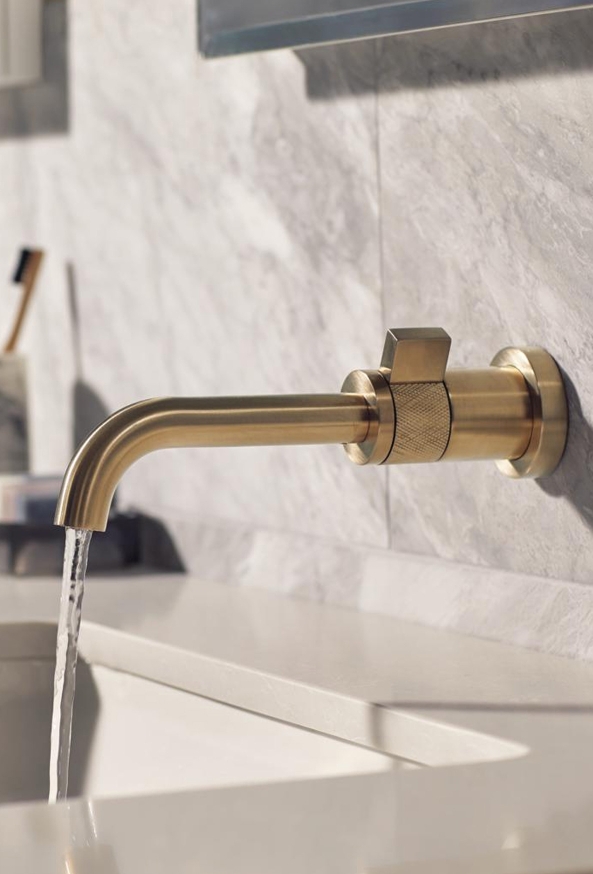
Interior Designer: Studio Zung / Amagansett, ny, 2016 / Photographer: Ty Cole / Featuring the litze® single-handle wall mount lavatory faucet in Brilliance® Luxe gold®
She used the Frank Lloyd Wright® Bath Collection in her studio’s own bath space because of its emphasis on clean lines, water flow, and tactile finishes.
Zung, meanwhile, favors the Litze® Bath Collection, though he says the whole portfolio beautifully unites form and function. He says he especially appreciates the way Brizo® shower heads “feel as though you are being bathed by nature itself.”
“The integration of technology, sustainability, and sensory experience reflects the full potential of connected design,” he says.

Prioritize Sustainability
Treating the Earth well is a key element of biophilia—especially when it comes to architecture and design. Zung says sustainability is “non-negotiable” in his work, and Wolfe, too, says that the practice is embedded in her firm’s choices.
Sustainability takes many forms, from responsible sourcing and building to reusing vintage pieces, integrating reclaimed elements, and working with local craftspeople.
No matter what the practice, it should be genuine and meaningful. “Avoid superficial gestures,” Zung says. “Instead, design with the goal of creating a genuine, lived connection to the environment.”
“Ultimately, my advice is to look to the Earth as your guide,” Wolfe adds. “When design reflects the rhythm and beauty of nature, it feels timeless, sustainable, and deeply connected to the people who inhabit it.”